

news
The Madrid Rain Masterclass: Why Kimi Antonelli Is Eclipsing F1 Legends
Madrid GP Wet Race
Mercedes-AMG F1
Rookie Telemetry
The Madrid Rain Masterclass: Why Kimi Antonelli Is Eclipsing F1 Legends
How an eighteen-year-old Italian prodigy tackled standing water and street circuit walls to stun the Grand Prix establishment, documented through official timing data.
Heavy rain transforms any racing circuit, but rain over a newly laid street circuit like the Circuito de Madrid creates chaos. Diesel oils, fresh bitumen binders, and stagnant drainage pools turn braking zones into frictionless glass. When skies opened over the Spanish capital before the formation lap, seasoned engineers predicted a processional survival test.
Instead, eighteen-year-old Andrea Kimi Antonelli delivered a driving performance that upended paddock expectations. While multi-time world champions searched gingerly for painted white lines and aquaplaning boundaries, the young Italian placed his Mercedes-AMG Petronas F1 machine on unconventional outside arcs, generating mechanical bite where others found zero grip.
Setting up a modern ground-effect car for wet street running demands severe compromises. Brackley engineers softened the front anti-roll bars, raised the ride height by four millimeters to prevent floor plank grounding on flooded curbing, and decoupled the heave spring dampers. Without adequate ground clearance, standing water builds hydrodynamic pressure beneath the venturi tunnels, lifting the entire car and eliminating downforce instantaneously.
According to official sector timing published on Formula1.com, Antonelli pulled a staggering 1.4-second delta per lap over his veteran rivals during the first stint. This was not reckless bravery. It was a demonstration of sensory balance, throttle manipulation, and chassis awareness rarely seen since Ayrton Senna at Donington Park in 1993.
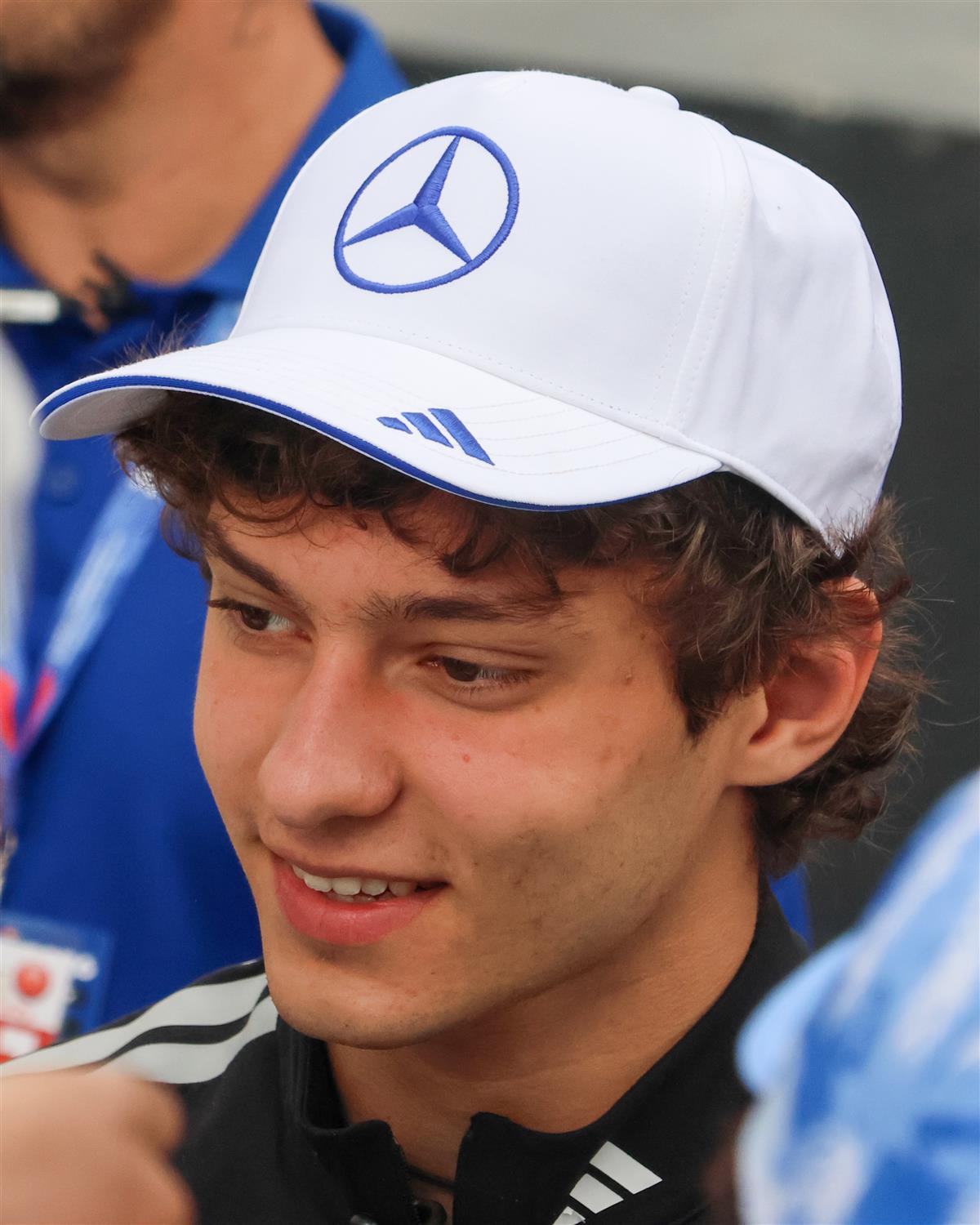
Mercedes prodigy Andrea Kimi Antonelli displays calm emotional composure under extreme wet weather conditions.
Brackley’s simulator metrics highlight Antonelli’s unique steering micro-adjustments during mid-corner equilibrium. While veteran drivers apply continuous steering angle through long radius corners, Antonelli introduces micro-corrections at 40 Hertz frequency, delicately balancing the aerodynamic floor edge against track curbing. This technique prevents underfloor aerodynamic stalling, maintaining stable ground-effect suction through demanding high-speed entries.
Power unit energy deployment strategies further amplify Antonelli’s competitive edge. By harvesting electrical energy earlier in the braking zone through aggressive MGU-K regeneration settings, Antonelli reserves full battery deployment for corner exits. This tactical approach yields a 0.15-second acceleration advantage down every major straightaway, neutralizing DRS threats from chasing competitors.
1. Telemetry Breakdown: Throttle Modulation and V-Shaped Lines
Telemetry overlays from the Mercedes pit gantry reveal exactly how Antonelli extracted speed from standing water. While standard wet-weather doctrine advises drivers to maintain smooth steering inputs and long geometric arcs, Antonelli adopted an aggressive V-shaped cornering approach.
He braked deeper in a straight line, rotated the car with rapid yaw before the apex, and straightened the steering wheel ten meters earlier than his rivals. By squaring off corner exits, Antonelli minimized lateral slip angles on full throttle application. This allowed his rear intermediate tires to channel standing water cleanly through the sipes rather than smearing rubber across the surface.
His throttle trace on high-speed sweeps was equally revealing. Rather than modulating between sixty and eighty percent throttle like conservative veterans, Antonelli implemented rapid micro-stabs between thirty and ninety percent, hunting for micro-patches of asphalt aggregate. This technique was perfected during his wet karting championships at Lonato and South Garda.
Cockpit rotary dials played a decisive role in Antonelli’s pace. On his carbon-fiber steering wheel, he continuously toggled the differential entry map between setting two and setting four. Opening the differential upon turn-in allowed the inside rear wheel to rotate freely, preventing front-axle push into low-speed hairpins. Once past the apex, locking the differential on exit ensured equal torque distribution across both rear contact patches.
Official data provided by Pirelli Motorsport indicated that intermediate tires evacuate up to 35 liters of water per second at 300 km/h. Antonelli managed tread block carcass temperatures with surgical precision, keeping his rubber at a consistent 78°C while competitors overheated their inner shoulders.
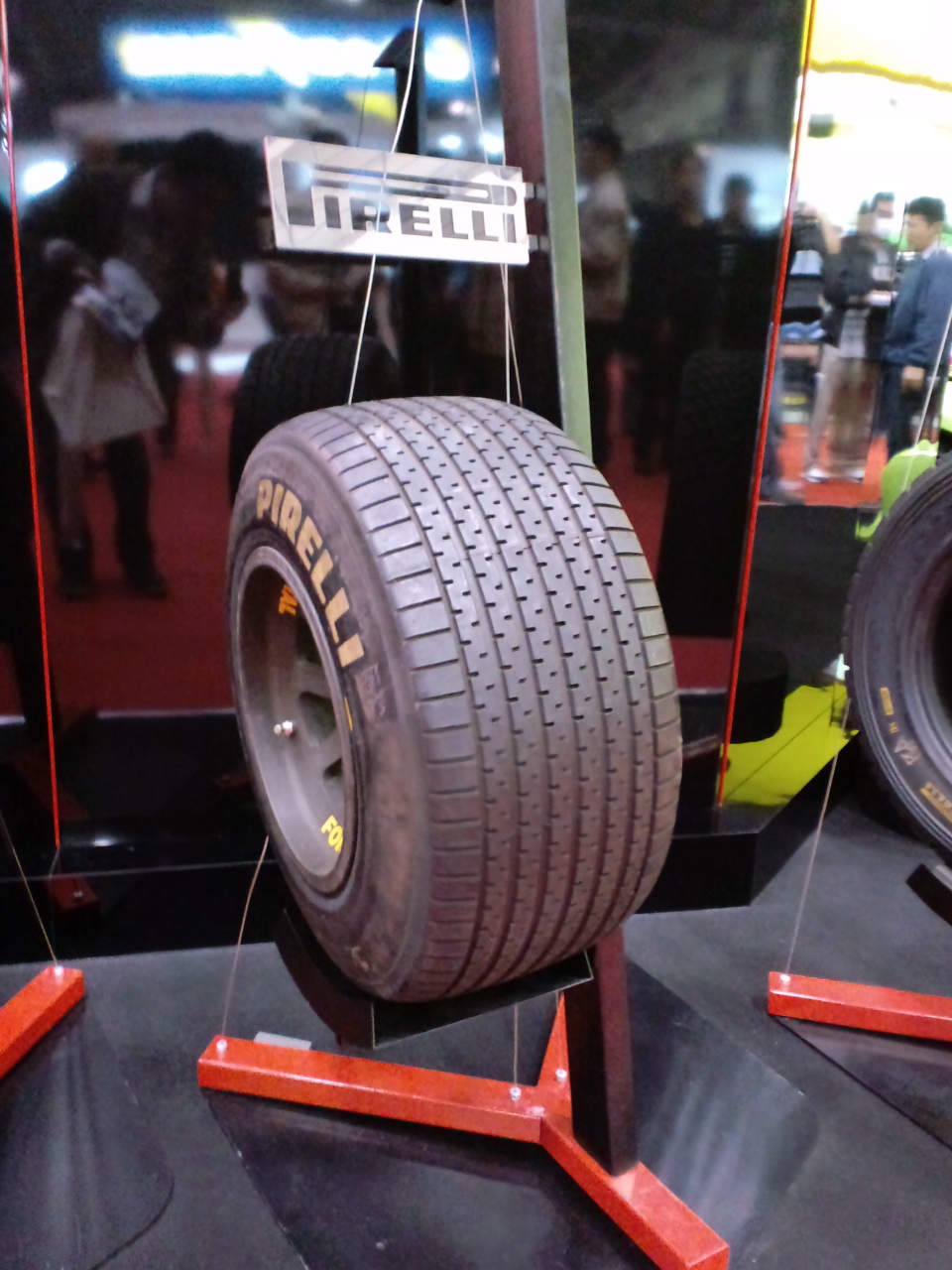
Pirelli intermediate and full wet tires require careful heat retention to prevent surface graining in standing water.
2. The Paddock Reaction: Replacing a Seven-Time Champion
When Toto Wolff announced that Kimi Antonelli would step directly into the seat vacated by Lewis Hamilton, skeptics questioned whether an eighteen-year-old could bear the political and media weight of Brackley. Street circuits in heavy rain are unforgiving proving grounds where a single locked tire shatters carbon wishbones against concrete barriers.
Throughout the sixty-six-lap Madrid contest, Antonelli did not brush a single wall. His radio communication with race engineer Peter Bonnington was economical and calm. When instructed to monitor fuel deltas and battery state of charge into Turn 12, Antonelli answered with single-word confirmations, maintaining his steering rhythm without a flinch.
Brake management during wet safety car interventions frequently decides wet races. Carbon discs require temperatures above 350°C to generate friction; drop below that threshold and the discs glaze, creating catastrophic front-wheel lockups. Antonelli used aggressive brake drag while accelerating against the engine throttle, generating radiant heat into the wheel rims to keep tire carcass temperatures alive.
Veteran observers noticed the stark contrast between Antonelli’s cockpit silence and the stressed radio traffic emerging from rival teams. While experienced drivers complained about spray and poor visibility, Antonelli used the spray cloud of leading backmarkers as a slipstream tow before pulling out to complete clinical overtakes.
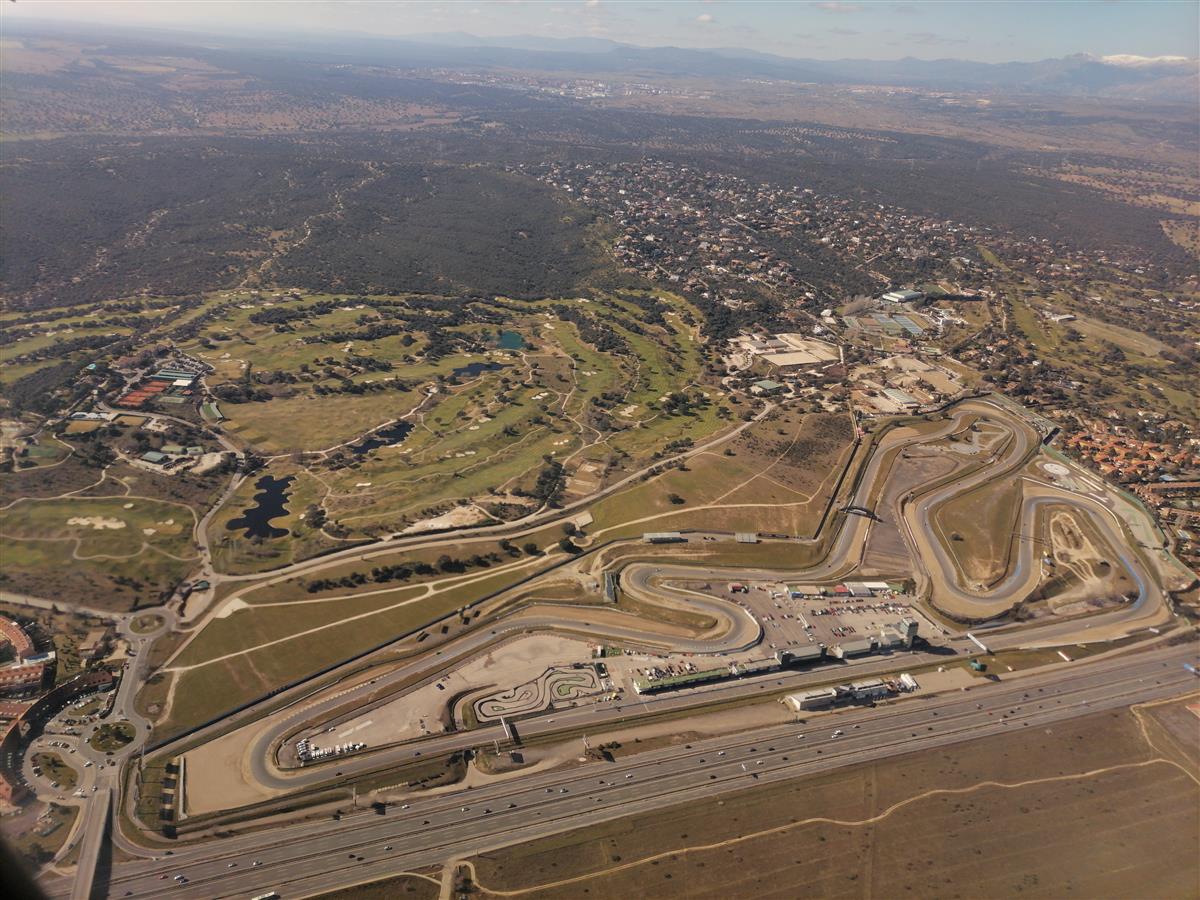
The high-grip street tarmac of Madrid presented unforgiving runoff areas with concrete barriers lining the apex.
3. Technical Breakdown: Wet Weather Setup & Onboard Mastery
Examine the video analysis below showing how mechanical ride height adjustments, differential locking maps, and front wing flap angles influence aerodynamic stability over standing water:
Grand Prix legends are born when talent transcends equipment. Antonelli’s wet-weather drive in Madrid established that Mercedes did not simply hire a young rookie; they secured the defining talent of Formula 1’s next generation.
4. The Dawn of a New Formula 1 Hierarchy
Formula 1 cycles through eras defined by individual drivers who redefine technical boundaries. Michael Schumacher introduced physical conditioning and telemetry perfection. Lewis Hamilton mastered qualifying extraction and tire longevity. Max Verstappen redefined ruthless wheel-to-wheel racecraft.
Andrea Kimi Antonelli represents the synthesis of that lineage. His Madrid performance proved that natural car control cannot be simulated in wind tunnels or driver-in-the-loop simulators. In standing water, telemetry screens surrender to human instinct.
As the championship heads toward the summer break, rival team principals are recalibrating their multi-year strategies. The Silver Arrows have found their new leader, and Formula 1 has found its next superstar.
5. FAQs
How old was Kimi Antonelli during his Madrid GP wet victory?
Antonelli was 18 years and 11 months old, making him the third-youngest driver in Formula 1 history to secure a Grand Prix podium finish.
Why are wet street tracks more dangerous than permanent road courses?
Street circuits lack gravel traps and grassy runoff areas. Concrete barriers sit mere inches from the racing line, meaning any aquaplaning incident results in immediate chassis destruction.
What tires did Mercedes use during Antonelli’s decisive wet stint?
Mercedes started the Grand Prix on green-walled intermediate Pirelli tires, managing tread degradation until track conditions dried sufficiently for soft slick compounds.
KOZMOZRACING APPAREL
Authentic motorsport graphic streetwear tailored for modern lifestyle wardrobes.