

news
MotoGP 850cc (2027): The Biggest Technical Transformation of the Century
QUICK ANSWER:
Starting in 2027, MotoGP will undergo its biggest regulatory shift in decades to improve track safety and enhance overtaking. Key changes include reducing engine displacement from 1000cc to 850cc (lowering top speeds by 15–20 km/h), completely banning ride-height and holeshot devices, reducing front fairing width to 550mm to cut dirty air wake by nearly 40%, and switching to 100% sustainable non-fossil fuel. These updates aim to shift the competitive advantage back to pure rider skill over technological and aerodynamic automation.
Premier-class motorcycle Grand Prix racing has arrived at an existential technical crossroads. When Brad Binder’s KTM clocked 366.1 kilometers per hour down the Mugello main straight, the paddock celebrated a historic engineering landmark. Yet that staggering velocity exposed grave circuit safety realities: runoff barriers designed for 320 km/h were being overwhelmed by modern kinetic energy equations.
In response, the Fédération Internationale de Motocyclisme (FIM), together with Dorna Sports and the manufacturers’ association (MSMA), approved the official MotoGP Official 2027 Technical Regulations.
This regulatory overhaul represents the most seismic disruption to two-wheel motorsport since the shift from 500cc two-strokes to 990cc four-strokes in 2002. It fundamentally reshapes powertrain displacement, strips away hydraulic lowering mechanisms, cuts back aerodynamic winglets, and mandates 100% fossil-free synthetic fuel.
The stated objective is resolute: halt runaway speeds, restore rider-over-machine overtaking dynamics, and guarantee that premier-class competition remains an athletic spectacle rather than a computational aero arms race.
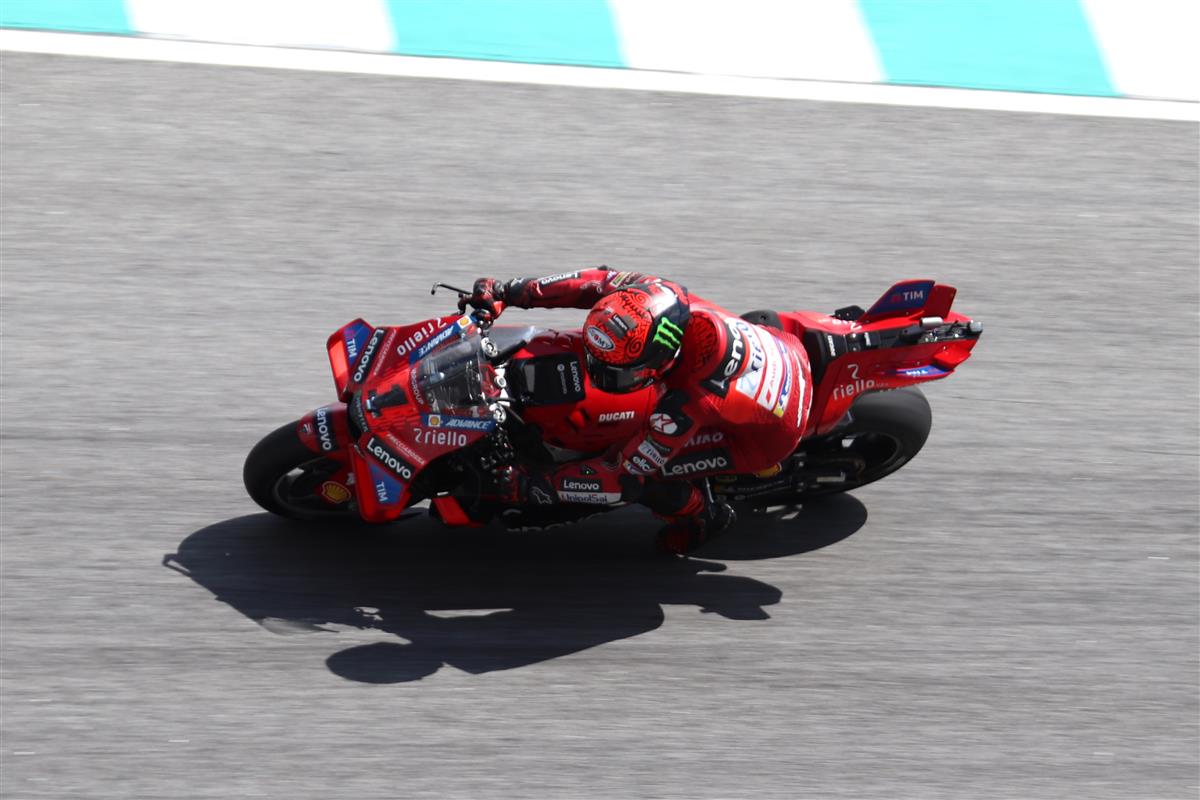
The current generation of MotoGP machinery features complex carbon winglets that generate massive aerodynamic wake.
1. The Five Technical Pillars: Dissecting the 2027 Rulebook
The 2027 rulebook is structured around five interrelated engineering pillars that work concurrently to reset competitive balance. The first and most prominent is the displacement reduction from 1000cc to 850cc. Decisively, the maximum cylinder bore is capped at 75 millimeters, down from 81mm, locking cylinder stroke dimensions and preventing designers from chasing extreme 20,000 RPM rev ceilings.
The second pillar is the total elimination of ride-height devices and holeshot systems. Front and rear hydraulic squat mechanisms, which lower the bike’s center of gravity to prevent wheelies on corner exits, are strictly outlawed. Riders must once again manage wheelies through throttle delicacy and rear-brake modulation.
The third pillar targets aerodynamics. Front fairing width will be restricted by fifty millimeters, reducing maximum aero projection from 600mm to 550mm. The nosecone section must sit fifty millimeters further back, curtailing front-end downforce and cutting dirty air wake by nearly forty percent.
Tire supplier Michelin Motorsport celebrated this change, noting that diminished aero wake prevents front tire pressure spikes and overheating during tight pack racing.
The fourth and fifth pillars cover fuel and telemetry transparency. All machines will run on 100% sustainable non-fossil synthetic fuels with fuel tank capacity dropping from 22 to 20 liters. Furthermore, GPS tracking data from all competitors will be shared among all teams after each session, accelerating development convergence.
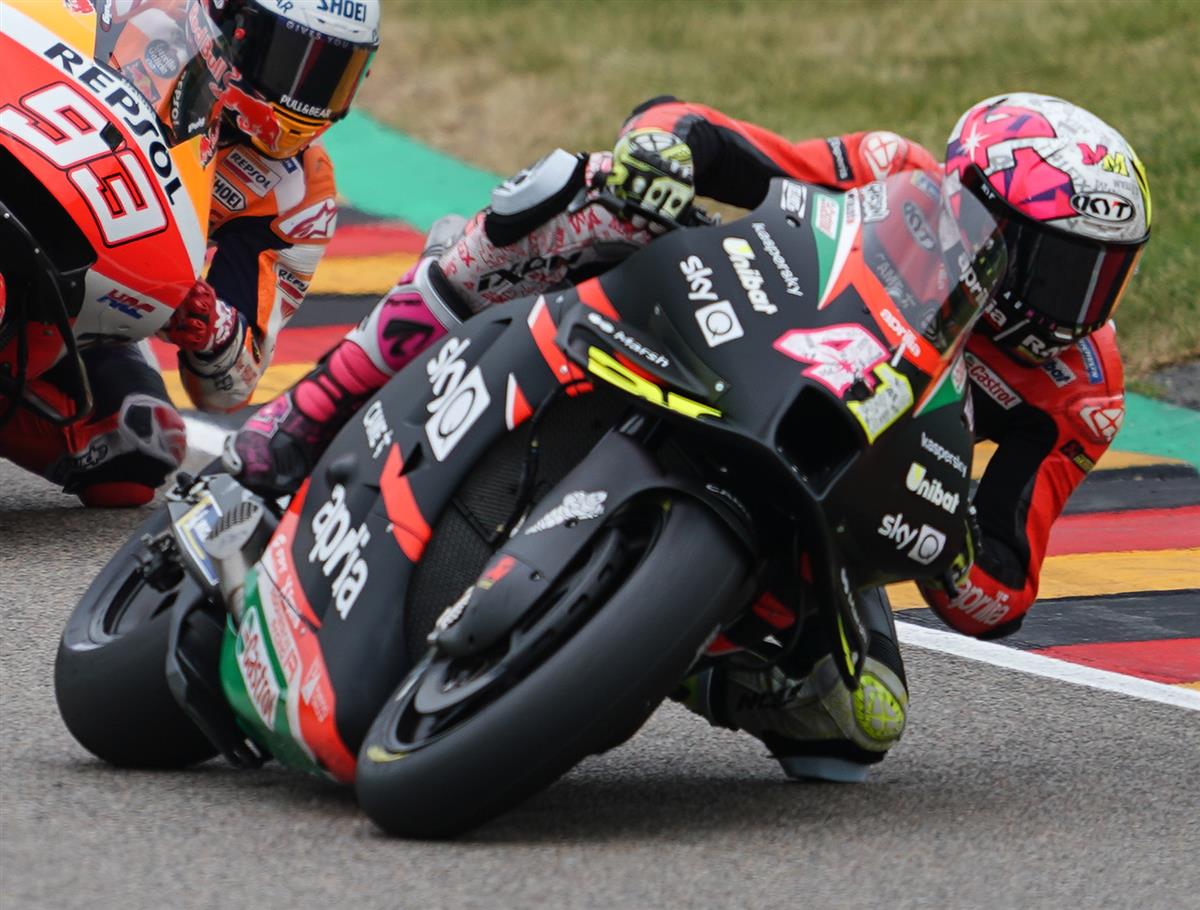
Narrower aerodynamic profiles will allow riders to follow closely without front tire pressure overheating.
Gearbox regulations will also undergo standardization under the 2027 framework. The number of permitted overall transmission gear ratios will be reduced, forcing teams to rely on versatile, broader engine torque curves rather than customizing distinct micro-ratios for every individual circuit. This cost-containment rule curbs million-dollar telemetry optimization programs and levels the playing field for satellite squads.
Brake disc suppliers will simultaneously reduce maximum carbon disc rotor diameters from 355mm to 340 millimeters. With lighter overall prototype weight and lower straight-line arrival speeds, smaller braking systems will cut unsprung wheel mass, sharpening steering change-of-direction agility through fast chicanes.
2. Paddock Hierarchy: Who Wins and Who Loses?
Whenever a clean sheet of paper enters racing engineering, paddock hierarchies reshuffle. Ducati’s unprecedented dominance was built on mastery of hydraulic holeshot systems and ground-effect ground fairings pioneered by Gigi Dall’Igna. Stripping away those devices removes Ducati’s most significant competitive moat.
Conversely, Japanese heavyweights Yamaha and Honda stand to reap immense benefits from the 2027 reset. Both manufacturers struggled to adapt their traditional chassis philosophies to the aerodynamic era. By paring down winglets and banning ride-height hardware, the regulations return the emphasis to pure mechanical handling and linear cornering transition.
KTM and Aprilia also enter 2027 from positions of strength. Both European manufacturers have demonstrated agile engineering cultures capable of iterating prototype frames and engine combustion chambers rapidly.
For the riders, the physical demands will shift from managing extreme neck strain and arm-pump caused by downforce braking toward classic throttle sensitivity and slip control.
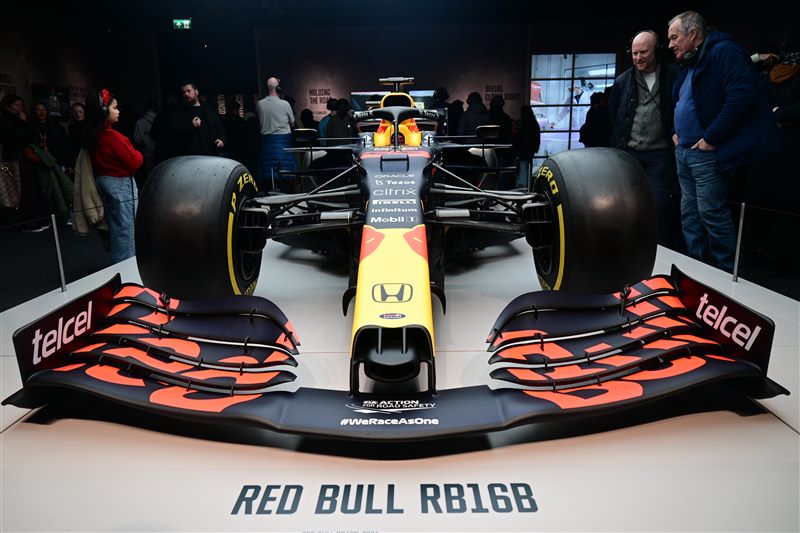
The 2027 regulations intentionally step back from Formula 1 style aero dependency in favor of rider skill.
3. Video Analysis: The 2027 Technical Regulations Explained
Historic Precedent: The 2007 800cc Era Comparison
Unlike the failed 2007 transition to 800cc engines, which spurred massive corner speeds and expensive electronic traction control battles, the 2027 rules couple engine reduction with strict aerodynamic cuts and mechanical device bans to ensure closer, safer racing.
4. The Dawn of a Pure Racing Renaissance
The 2027 MotoGP regulations are not a concession of weakness; they represent an act of profound self-correction. In an era where motorsport categories worldwide risk drowning in automated aids and impenetrable telemetry jargon, Grand Prix motorcycling chose to defend the sanctity of human talent.
By paring back displacement to 850cc, dismantling ride-height devices, and capping aerodynamic wake, the sport ensures that races will be won on the handlebars and footpegs, not behind laptop screens in air-conditioned pits.
The golden age of motorcycle racing has not vanished into nostalgia; come 2027, it will roar back to life on circuits across the globe.
5. FAQs
Why is MotoGP dropping engine displacement to 850cc?
Current 1000cc prototypes reached straight-line speeds exceeding 366 km/h, exceeding the safety margins of track runoff areas. Dropping to 850cc lowers peak speeds by 15-20 km/h to preserve circuit safety.
What is a ride-height device and why is it banned?
Ride-height devices are hydraulic mechanisms that compress the motorcycle suspension on straights and corner exits to prevent wheelies. Banning them forces riders to manage throttle power manually, reducing aerodynamic dirty air.
Will 850cc bikes be slower around a full lap?
Initial simulations suggest lap times will only drop by one to two seconds. Because the 850cc prototypes are four kilograms lighter and feature less aerodynamic drag, cornering agility through mid-speed turns will actually increase.
Authentic otaku and motorsport graphic streetwear tailored for modern lifestyle wardrobes. Heavyweight fabrics with functional athletic fits.