

news
Cadillac F1 Team Debuts at Baku: American Ambition or Paddock Grid Dilution?
Does Cadillac’s arrival dilute Formula 1 or expand commercial value? General Motors entered the championship at Baku as an eleventh team backed by a substantial $450 million anti-dilution fee and a veteran driver lineup pairing Sergio Pérez and Valtteri Bottas. While existing European constructors worry about dividing the commercial prize fund eleven ways, corporate financial analysis confirms GM’s Detroit engineering operations and direct OEM power unit development deliver genuine value to global television broadcast contracts.
The long-awaited arrival of General Motors on the Grand Prix grid finally materialized at the unforgiving Baku City Circuit. Operating under the banner of the Cadillac Formula 1 Team, the American outfit placed two cars into competitive practice sessions. Paddock observers gathered around the garage doors, watching engineers fine-tune front wings designed in North Carolina and built at their European facility in Silverstone.
Securing established race winners Sergio Pérez and Valtteri Bottas gave the squad immediate operational credibility. Between them, the pair brings thirteen Grand Prix victories and more than five hundred race starts. That vast reserve of track experience shields the rookie organization from rookie errors, providing clean baseline feedback during initial setup runs along Baku’s two-kilometer straight.
Yet the political friction that delayed this entry for nearly three seasons has not disappeared. Paddock executives representing existing teams still grumble about commercial distributions. They argue that adding an eleventh team strains track pit space and fractures the prize money pool, questioning whether an American manufacturer can bridge the performance gap to established midfield contenders.
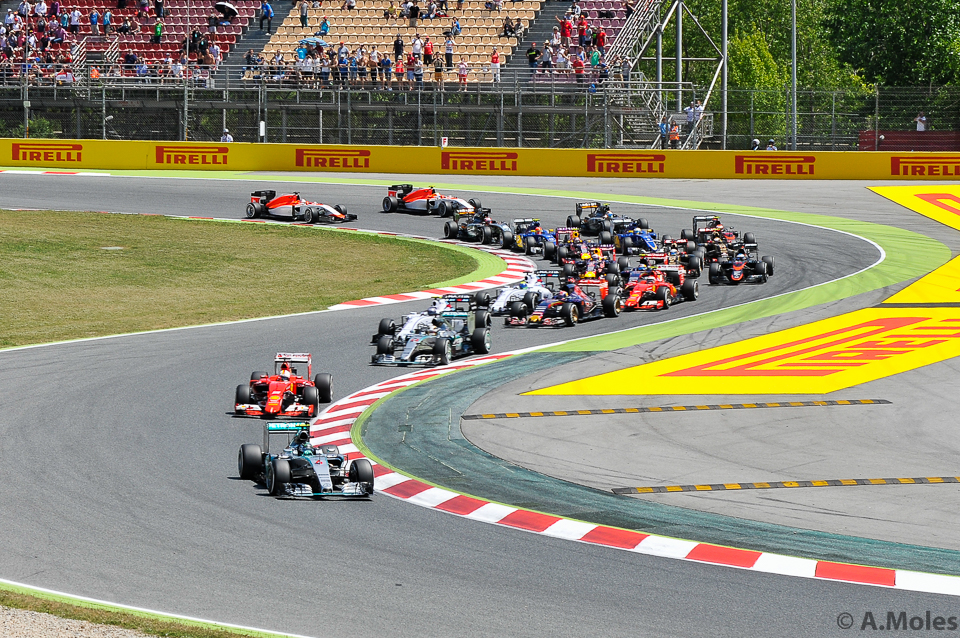
Twenty-two cars now contest Grand Prix weekends following Cadillac’s entry, expanding the field for the first time in a decade.
1. The Concorde Agreement Clash: Financial Dilution vs. Market Value
The primary battlefield surrounding Cadillac was never purely technical; it was strictly financial. Under the commercial structure defined by Formula One Management and the FIA regulatory framework, team prize money distributes across all competitors based on constructors championship standings. Incumbent outfits argued fiercely that an additional team would siphon off ten percent of annual revenue distributions.
To neutralize that opposition, Cadillac agreed to pay an escalated entry fee totaling $450 million, divided among the existing ten teams to offset near-term revenue dips. Furthermore, General Motors committed dedicated capital toward building its own proprietary power unit facility in Pontiac, Michigan, promising full OEM engine supply by the end of the decade.
Motorsport commercial analysts contend that the resistance from European teams overlooked commercial growth. The North American market represents the fastest-expanding revenue stream for Formula 1 merchandise and television viewership. Having an authentic Detroit automotive titan fighting on circuit creates direct marketing activation with American corporate partners, lifting the overall commercial tide for every team in the pit lane.
| Operational Metric | Cadillac F1 Team (2026) | Haas F1 Team (2016 Debut) |
|---|---|---|
| Upfront Anti-Dilution Fee | $450 Million USD | $0 (Pre-Concorde Clause) |
| Powertrain Path | Customer Unit → GM Works Engine | Permanent Ferrari Customer Supply |
| Driver Combined GP Starts | 510+ Starts (Pérez & Bottas) | 121 Starts (Grosjean & Gutiérrez) |
| Engineering Base | Silverstone UK & Fishers, Indiana | Kannapolis NC & Banbury UK |
2. The Baku Test: High Downforce Wings on a 340 km/h Straight
Choosing Baku for a debut weekend represented an immense trial by fire. The circuit layout demands a conflicting setup balance: cars need tremendous low-speed mechanical grip through the medieval Old City section between Turn 8 and Turn 12, followed by minimal aerodynamic drag along the continuous full-throttle charge past Government House.
Technical directors at Cadillac opted for a medium-camber rear wing profile paired with a trimmed upper flap trailing edge. During early Friday sessions, telemetry collected by Formula 1 live timing systems clocked Bottas hitting 338.4 km/h through the speed trap. That trap speed sat comfortably in the middle of the pack, dispelling fears that the car would lag seconds behind the 107-percent qualifying cut.
Pérez spent his installation laps evaluating brake temperature dissipation. Baku features heavy deceleration zones into Turn 1 and Turn 3 where carbon brake discs exceed one thousand degrees Celsius in under two seconds. The team’s front upright ducts showed disciplined thermal management, avoiding the brake-fade complications that often afflict ground-up racing designs.
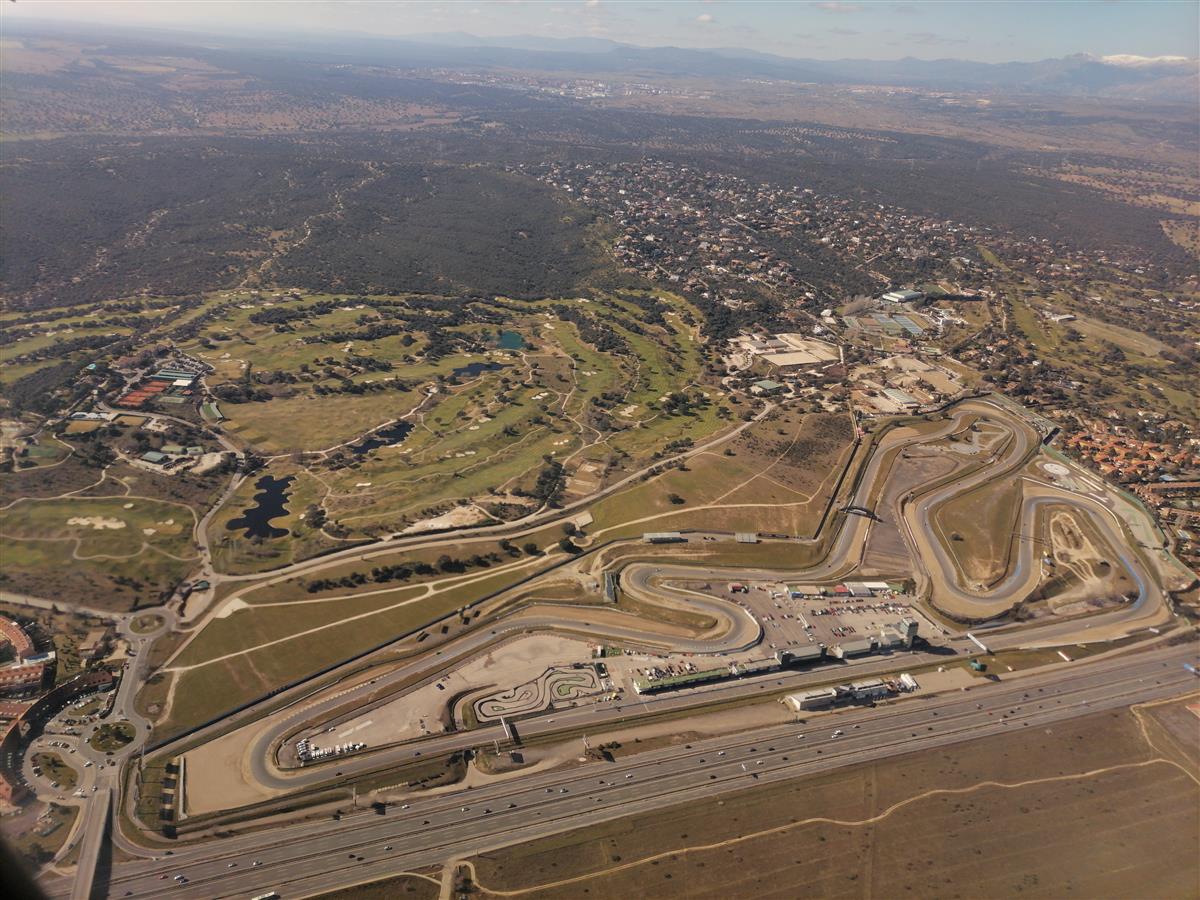
Street circuits like Baku and Madrid test brake duct ducting and tire sidewall flex under punishing wall-to-wall conditions.
3. Analysis: Paddock Projections and Competitive Speed
Independent motorsport journalists have debated whether Cadillac can establish a stable foothold or follow the frustrating paths of Caterham, HRT, and Marussia from the previous generation. Watch the paddock assessment below exploring team infrastructure and realistic timelines for points finishes.
4. Two Sides of the Eleventh Team Debate
The Growth Perspective: American Commercial Expansion
Proponents point to General Motors as one of the world’s largest automotive groups. Bringing GM engineering centers into Formula 1 expands corporate sponsorship opportunities, attracts global engineers, and solidifies North American interest. Long-term corporate backing prevents sudden mid-season collapse and provides true manufacturer prestige.
The Purist Critique: Paddock Space and Prize Pot Dilution
Existing team principals maintain that the financial franchise model protects smaller independent constructors from bankruptcy during economic downturns. Spreading broadcast payouts over eleven entries weakens midfield stability. Logistical headaches at historic circuits like Monaco and Zandvoort with cramped garages also pose operational headaches.
Paddock Insight // Veteran Experience Strategy
Team leadership deliberately avoided signing unproven young talent for year one. Putting Sergio Pérez and Valtteri Bottas in the cockpits ensures that aerodynamic correlation faults are separated from driver errors. If the car experiences snap oversteer at high corner entries, the engineering office knows immediately that setup balance, not rookie hesitation, is the root cause.
5. Long-Term Trajectory: From Customer Power Unit to Detroit Works
Cadillac entered Baku utilizing a partner power unit while GM Powertrain completes dyno testing on its proprietary 2028 engine architecture. Building an internal combustion engine coupled with electrical motor generator systems requires hundreds of millions in dedicated capital and specialized test cells.
According to reporting from Motorsport.com technical staff, the team has recruited veteran engine staff from Brixworth and Viry-Châtillon to oversee calibration. This hybrid approach mirrors the development path taken by Red Bull Powertrains, bridging early operational demands with long-term engineering self-sufficiency.
Whether Cadillac finishes its debut campaign in the points or battles among the lower third of the grid, their presence permanently shifts Formula 1’s political axis. The era of a closed ten-team shop has officially ended, welcoming American industrial muscle back onto Grand Prix asphalt.
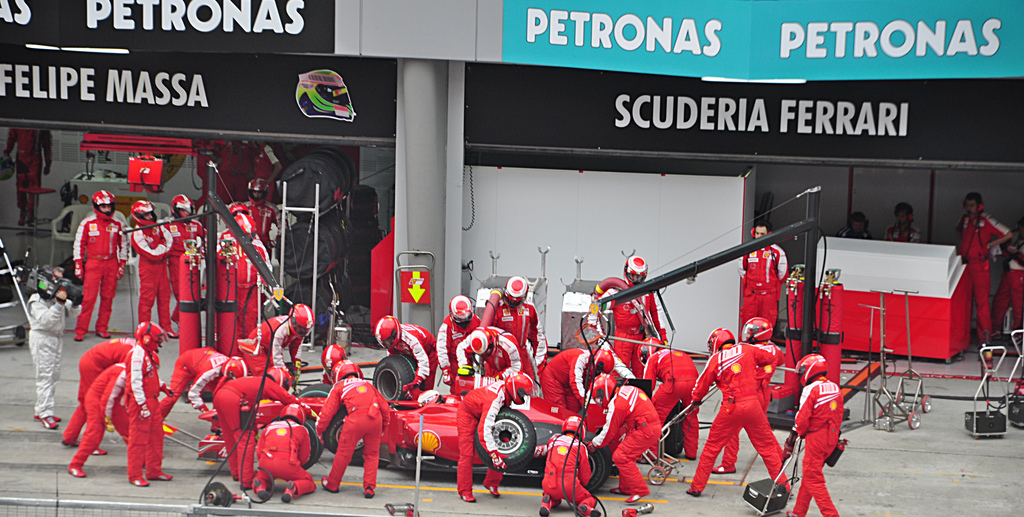
Executing rapid sub-three-second pit stops remains a primary operational hurdle for any newly formed Grand Prix crew.
6. FAQs
Why did existing teams resist Cadillac’s entry for so long?
Existing teams worried about prize fund dilution. Under the Concorde Agreement, commercial revenues are shared among competitors. Teams demanded a higher anti-dilution fee to protect their enterprise valuations from short-term losses.
Who builds the power units for Cadillac in 2026?
Cadillac competes as a customer engine team during its initial seasons while General Motors constructs and homologates its own proprietary works engine scheduled to debut before 2028.
Why choose veteran drivers instead of an American rookie?
Sergio Pérez and Valtteri Bottas provide verified telemetry baselines. Their feedback isolates car setup issues and aerodynamic inefficiencies without the steep learning curve of a debutant driver.
Authentic motorsport graphic streetwear tailored for modern lifestyle wardrobes.