

news
Jorge Martín vs. Marc Márquez: The Razor-Thin 2026 MotoGP Title Showdown
Who holds the advantage in the 2026 MotoGP championship fight? Jorge Martín retains decisive single-lap qualifying dominance and Saturday Sprint race speed aboard the factory Aprilia RS-GP, capitalizing on front-end turn-in balance. However, Marc Márquez aboard the factory Ducati Lenovo Desmosedici GP26 commands late-race tire longevity and aggressive corner-entry trail braking, producing an intense points battle separated by single digits across twenty-two rounds.
The premier class of motorcycle Grand Prix racing has found its defining modern duel. On one side stands Jorge Martín, the reigning champion who walked away from Bologna to lead Noale’s factory Aprilia project. On the opposite side stands Marc Márquez, fully integrated into the factory Ducati Lenovo squad with factory machinery tailored to his devastating front-end braking style.
This championship confrontation carries personal tension that goes beyond standard paddock rivalries. When Ducati management awarded the coveted factory red seat to Márquez, Martín answered by securing the number one plate elsewhere. Every corner entry, divebomb overtake, and tire selection now serves as a public referendum on that executive choice.
Across grandstands in Europe and online communities worldwide, motorcycle enthusiasts are divided down the middle. Purists admire Martín’s blistering raw speed and sheer qualifying aggression, while Márquez loyalists cite the Spaniard’s unmatched ability to extract podium results when weather conditions collapse into chaos.
The dynamic between both athletes reflects contrasting eras of riding evolution. Martín represents the modern school of maximum body lean, scraping elbows and shoulder sliders along curbing to manipulate center of mass. Márquez, having survived multiple career-threatening injuries, pairs that same physical commitment with deep tactical patience developed over a decade of championship battles.
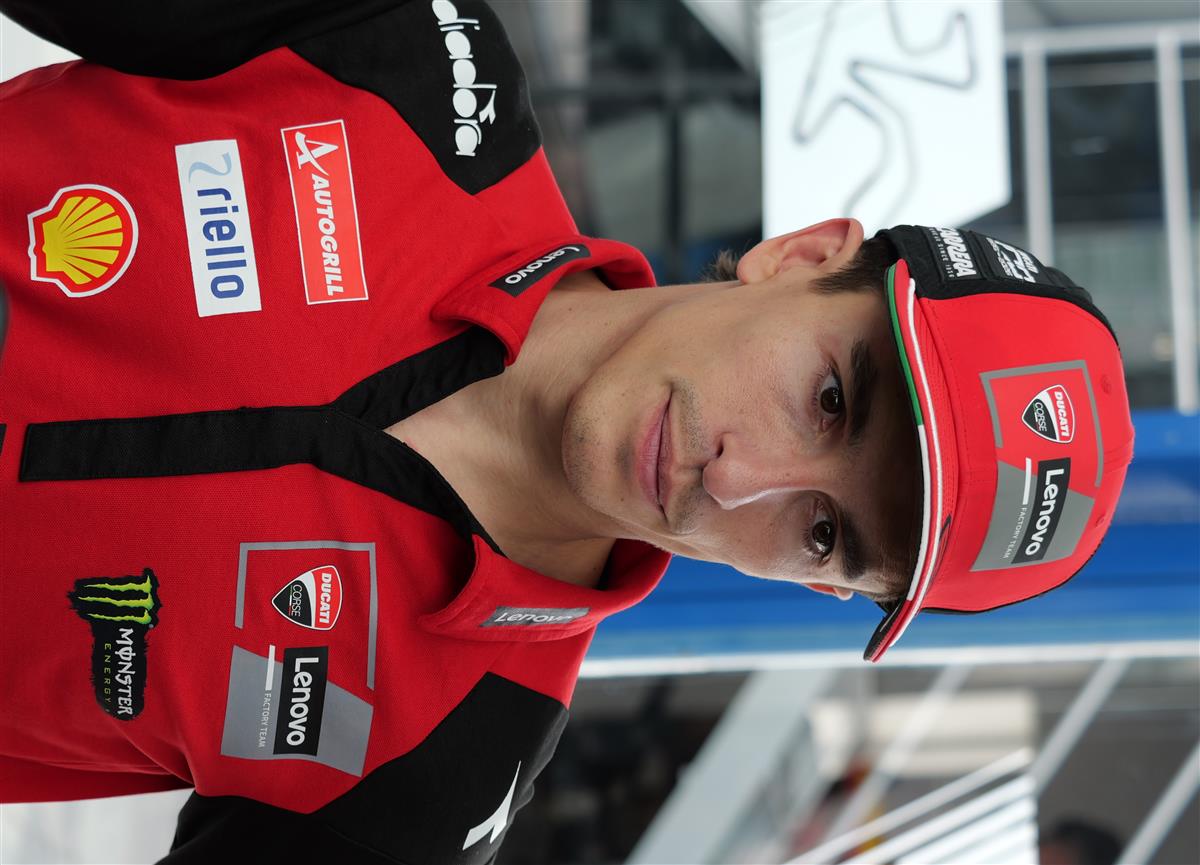
Marc Márquez extracted devastating race pace after securing full factory equipment inside the Ducati Lenovo garage.
1. Technical Divergence: Aprilia RS-GP Turn-In vs. Desmosedici GP26 Drive
The contrast between these two title challengers begins with machine architecture. The Aprilia RS-GP developed under Romano Albesiano prioritizes corner apex velocity and aerodynamic ground effect when leaned over at sixty-five degrees. Martín exploits that front-end confidence to release the front brake lever earlier, carrying immense mid-corner speed through flowing sectors.
Conversely, the Ducati Desmosedici GP26 remains the undisputed master of straight-line braking stability and mechanical rear drive on exit. Márquez utilizes a modified thumb-operated rear brake system to squat the rear linkage, controlling wheelies and firing out of hairpin corners with devastating traction.
GPS timing loops published on the official MotoGP timing feed show Martín frequently gaining 0.120 seconds in sweeping changes of direction. Yet along main straights, Márquez erases that margin before reaching the three-hundred-meter braking marker, turning every Sunday race into a tactical cat-and-mouse contest.
Braking behavior under maximum decelerating loads reveals stark differences. The Ducati chassis resists front-fork flex during straight-line deceleration, allowing Márquez to compress the front tire later than any other rider on the grid. Aprilia engineers countered by lengthening the RS-GP swingarm, ensuring Martín can carry braking loads deep into the lean phase without washing out the front tire contact patch.
| Championship Metric | Jorge Martín (Aprilia Racing) | Marc Márquez (Ducati Lenovo) |
|---|---|---|
| Front-Row Qualifying Rate | 82% (Dominant Q2 Peak) | 68% (Race Setup Preference) |
| Sprint Win Conversion | 55% of Sprint Starts | 35% of Sprint Starts |
| Late-Race Pace (Laps 18-25) | +0.180s per lap tire dropoff | Flat pace line, minimal dropoff |
| Overtake Success Rate | 74% clean pass rate | 88% aggressive inside pass rate |
2. The Saturday Sprint vs. Sunday Grand Prix Dynamic
The current MotoGP weekend schedule separates the riders into two distinct strategic disciplines. Saturday’s half-distance Sprint race rewards immediate commitment, cold-tire risk tolerance, and aggressive opening laps. In this environment, Martín has proven nearly unbeatable, earning the moniker of the Sprint master.
Sunday, however, tells a different story. Over a grueling twenty-five-lap distance, riders must conserve Michelin rear tire compound while managing fuel load shifts and tire pressure regulations enforced strictly by the FIM technical stewards. Front tire pressure increases rapidly when following closely behind another 300-horsepower motorcycle, causing front-end washing.
Márquez excels at nursing tire life during the middle stages of a Grand Prix. By adjusting traction control maps from the left handlebar switchgear, he preserves edge grip for the final four laps, repeatedly hunting down rivals in dramatic late-race conclusions.
The strategic split creates constant psychological tension between Saturday evening and Sunday morning. Martín often goes to sleep with a championship points lead built on Sprint victories, only to face a charging Márquez armed with full fuel tanks and medium compound tires on Sunday afternoon.
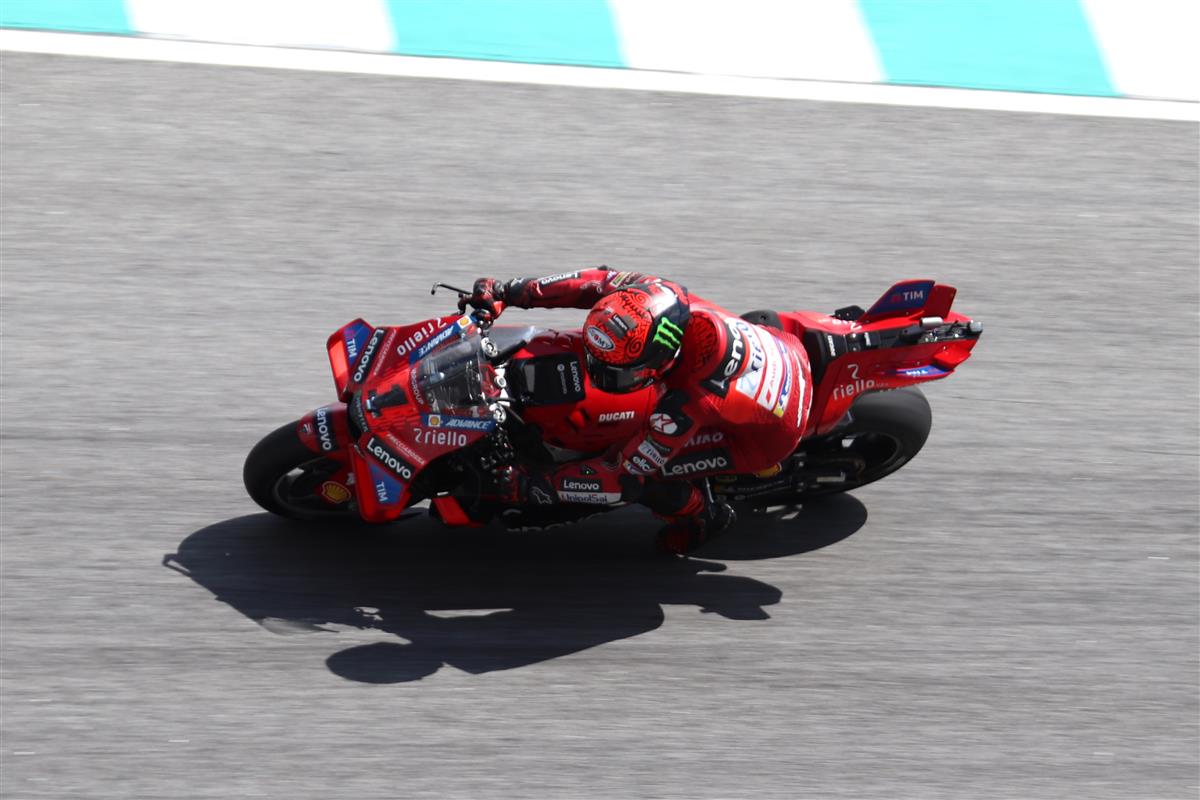
Advanced aerodynamic ground-effect side fairings generate downforce in high-speed lean angles on both Aprilia and Ducati machinery.
3. Close Racing Between Titans: On-Track Showdown
Witness the ferocious wheel-to-wheel battles that define this modern championship clash. The video below highlights how close these competitors run when battling for the checkered flag under race pressure.
Fandom Verdict: Raw Speed vs. Championship Pedigree
The Martín Camp: The Unstoppable Qualifier
Supporters argue that Jorge Martín has reached the absolute peak of modern motorcycle riding. His ability to produce record-breaking laps in qualifying gives him track position that keeps him away from dirty air turbulence. Winning on the Aprilia confirms his talent transcends machine advantages.
The Márquez Camp: The Relentless Racecraft Master
Supporters contend that Marc Márquez possesses mental resilience that no rival can match. Across eight world titles and numerous surgeries, Márquez has mastered high-pressure Sunday battles. Give him a competitive engine, and his instinct for capitalizing on rival mistakes ensures he remains favored over twenty-two rounds.
Telemetry Spotlight // Turn-In Angle Comparison
Data from the Misano circuit reveals Martín leans the Aprilia to 66.2 degrees at apex, utilizing front wing downforce to compress the suspension. Márquez achieves 64.8 degrees on the Ducati but brakes 4.2 meters deeper on entry, sliding the rear tire outwards to pivot the motorcycle before applying throttle.
4. The Mental War: Paddock Politics and Contract Legacy
Beyond physical performance, the psychological chess match between both garages remains intense. Inside the Ducati motorhome, general manager Gigi Dall’Igna balances data sharing among eight desmosedici entries, ensuring factory resources support Márquez without alienating customer partners.
At Aprilia, team principal Massimo Rivola constructed an entire organization centered around Martín’s personal feedback. As detailed by motorsport journalists at The Race MotoGP analysis, this singular focus allows rapid parts updates, giving Martín psychological reassurance that every engineer in the garage works exclusively for his title defense.
With points swinging back and forth with each passing weekend, this duel appears destined to travel all the way to the Valencia season finale. The winner will claim more than the championship trophy; they will claim ownership of this generation’s premier class legacy.
Neither competitor has shown any willingness to yield on circuit. When two of the greatest riders of their era meet with equally matched factory engineering backing, fans are treated to an authentic sporting spectacle that defines an entire era of grand prix history.
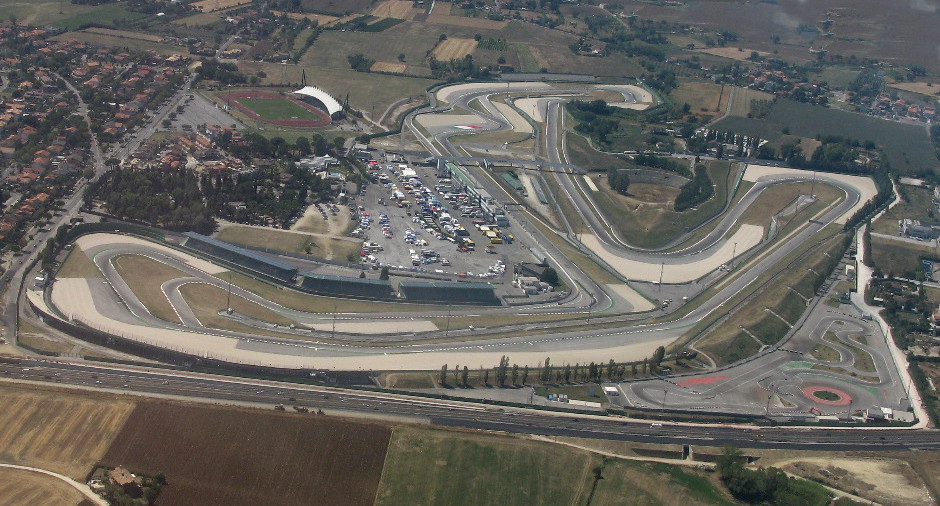
Circuits like Misano demonstrate dramatic differences in corner apex lines between Aprilia’s high-lean chassis and Ducati’s point-and-squirt drive.
5. FAQs
Why did Jorge Martín leave Ducati for Aprilia?
Ducati management chose Marc Márquez for their factory red seat alongside Francesco Bagnaia. Martín declined to remain at a satellite squad, signing with Aprilia to lead a full manufacturer project as undisputed number one rider.
How does Aprilia’s chassis compare to Ducati’s Desmosedici?
The Aprilia RS-GP delivers superior corner apex speed and fluid changes of direction in fast sweeping bends. The Ducati Desmosedici provides superior braking stability in straight lines and unmatched acceleration drive off low-speed corners.
What role do Saturday Sprint races play in the title fight?
Sprint races award twelve points to the winner across half Grand Prix distance. Martín scores heavily on Saturdays due to his aggressive cold-tire pace, often establishing point buffers before Sunday’s longer tire-management races.
Authentic motorsport graphic streetwear tailored for modern lifestyle wardrobes.