

850cc Prototype Test
No Ride-Height Devices
Sustainable Fuel
The 850cc Prototype Test at Misano: The Dawn of MotoGP’s New Era
Exclusive paddock trackside analysis of the secret 850cc engine trials on the Adriatic coast, marking the demise of ride-height devices and the restoration of mechanical corner speed.
The upcoming regulatory shift marks a transformative era for MotoGP, transitioning from 1000cc (300 hp) to 850cc (260 hp) engines with a 75mm maximum bore cap to curb excessive straight-line speeds. To restore reliance on mechanical grip and pure rider throttle control, front and rear hydraulic ride-height lowering devices have been completely banned. Additionally, aerodynamic fairings are narrowed by 50mm, reducing dirty air turbulence by approximately 40% to significantly enhance overtaking opportunities and front-tire thermal stability. Supporting these performance changes, all machines will run on 100% non-fossil synthetic e-fuels ahead of the official 2027 season rollout.
Behind closed garage doors at Misano World Circuit Marco Simoncelli, the future sound of premier-class motorcycle racing echoed across the Adriatic coast. Factory test riders from Ducati, Yamaha, Honda, KTM, and Aprilia took to the asphalt on prototype machines powered by down-sized 850cc engines.
This test marks the opening physical deployment of the technical regulations detailed on MotoGP 2027 Regulations, designed to reduce runaway straight-line speeds and dismantle complex aerodynamic devices. Gone are the hydraulic holeshot locks and rear ride-height squatting mechanisms that turned current 1000cc machines into ground-bound dragsters.
Factory test riders including Michele Pirro and Dani Pedrosa turned hundreds of data-gathering laps under strict secrecy. With hydraulic lines severed and actuation valves stripped from the swingarm pivot, the prototype chassis relies entirely on traditional mechanical suspension linkages, forcing suspension specialists to rethink spring preload and high-speed damping stacks.
Trackside observers witnessed an immediate transformation in racing dynamics. Stripped of lowering devices and equipped with narrowed aerodynamic fairings, the prototypes slid naturally through the sweeping Curvone, requiring riders to modulate wheelspin with physical body weight rather than software algorithms.
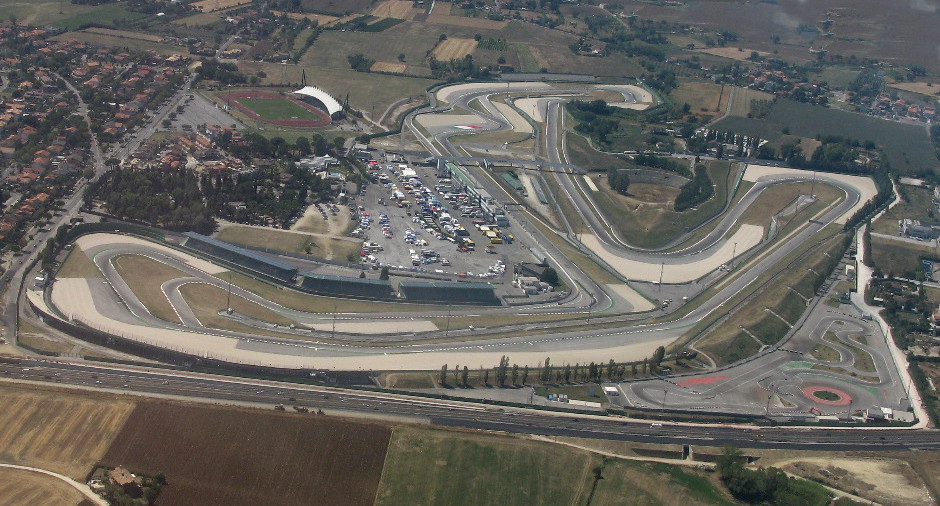
The high-speed sweeps of Misano provided the ideal proving ground for prototype 850cc mechanical agility.
Engine dyno tests conducted at Borgo Panigale illustrate the profound architecture differences between 1000cc and 850cc powertrains. The stroke dimension on the 850cc motor measures 48.1 millimeters, creating a piston acceleration profile that delivers linear throttle response through initial corner exit. Riders can feed in power without triggering aggressive traction control intervention, preserving the delicate side-edge compound of Michelin slick tires.
Chassis rigidity parameters have also been comprehensively reworked for the 850cc era. Without the immense torque spikes of current 1000cc engines, frame designers can introduce greater lateral flex into the aluminum twin-spar chassis. This intentional flex acts as secondary suspension at fifty-five degrees of lean angle, providing riders with tactile sensory feedback from the front contact patch.
1. Powertrain Physics: Bore Limitations and Torque Characteristics
The heart of the new rulebook is a reduction in engine displacement from 1000cc to 850cc, accompanied by a maximum cylinder bore cap of 75 millimeters (down from 81 millimeters). This bore limitation is decisive: it prevents engine designers from increasing stroke speeds to recover peak horsepower through ultra-high RPM rev limits.
Peak power drops from approximately 300 horsepower down to 260 horsepower. Top speeds along Misano’s back straight clocked in at 334 km/h, compared to 351 km/h recorded by current 1000cc Desmosedici superbikes.
However, corner speeds through Sector 3 increased. Because the new prototypes shed four kilograms of minimum weight and carry narrower front wings, transitional rolling inertia is significantly reduced. Test riders reported that the bikes turn into chicanes with effortless flickability reminiscent of the classic 250cc two-stroke era.
Fuel flow meters and combustion sensors monitored the burn rates of 100% non-fossil synthetic fuels. Synthetic e-fuels carry distinct stoichiometric oxygen balances, demanding redesigned intake valve angles and higher injection fuel rail pressures to prevent lean-mixture detonation under heavy acceleration out of Turn 14.
Braking telemetry provided by Brembo Racing indicated that without rear ride-height devices pushing the tail down under braking, rear-wheel lift returned. Riders must once again slide the rear tire into corner entries to stabilize deceleration.
The elimination of ride-height hydraulics allows chassis builders to streamline swingarm pivots and carbon fiber fairings.
Tire supplier Michelin monitored tread carcass deformation closely during the high-load Curvone sweeps. With reduced aerodynamic downforce pushing the bike into the track, front tire operating temperatures stabilized at 88 degrees Celsius, nearly ten degrees cooler than readings recorded on current 1000cc machinery. This thermal relief virtually eliminates the chronic front-tire overheating problems that plagued modern MotoGP pack racing.
Exhaust sound profiles also garnered widespread praise from trackside mechanics and visiting journalists. The revised 850cc four-cylinder firing orders produce a crisp, melodic acoustic rasp reminiscent of classic 1990s Grand Prix battles, proving that premier-class motorcycle racing can modernize its environmental credentials while revitalizing the visceral sensory spectacle.
2. Rider Feedback: The Return of Instinct and Close Combat
The paddock atmosphere surrounding the 850cc prototypes is overwhelmingly optimistic among riders. For years, premier-class competitors complained that downforce and squatting devices reduced MotoGP to slot-car racing, where overtaking was nearly impossible without cooking front tire pressures in dirty air.
Test riders noted that trailing another 850cc prototype at Misano did not cause front-end washouts. With wing surface area reduced and ground-effect fairing ducts restricted, dirty air turbulence drops by an estimated forty percent.
This regulatory shift directly aids Japanese manufacturers Yamaha and Honda. Their inline-four and traditional V4 chassis concepts historically prioritized nimble corner transitions over brute straightaway acceleration, an advantage neutralized by Ducati’s mastery of ride-height hydraulics.
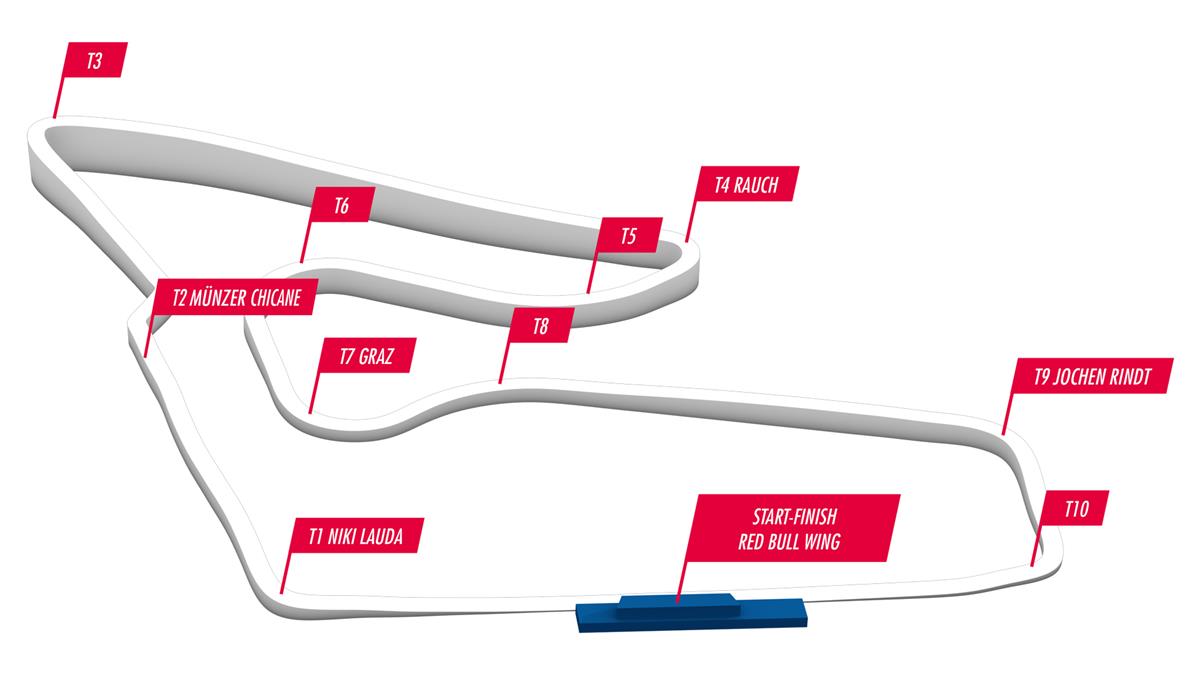
Comparative telemetry maps show earlier throttle opening and higher apex agility on the 850cc prototype chassis.
The Ducati Dominance Skepticism
Ducati Corse engineers spent millions perfecting hydraulic lowering valves and aero scoops. Stripping these technologies resets their decade-long technical advantage, effectively punishing the manufacturer that innovated most boldly.
The Racing Purity Renaissance
Fans and independent teams celebrate the change. Restoring mechanical grip and banning ride-height devices places the outcome back into the hands of rider courage, line selection, and manual throttle dexterity.
3. Sound & Vision: 850cc Prototype Trackside Audio
Listen to the distinct acoustic tone of the 850cc prototype firing through pneumatic valves and custom exhaust manifolds along the Misano straight:
The Misano 850cc test proves that reducing top speed by twenty kilometers per hour does not diminish the show; it amplifies it. When motorcycles slide through turns rather than riding on hydraulic rails, true racing artistry returns.
4. The Countdown to 2027
The road from Misano to the 2027 season opener will witness furious engineering development across European and Japanese factories. Over the next eighteen months, engine designers must extract maximum thermodynamic efficiency from hundred-percent sustainable fuels.
Privateer teams will benefit from mandatory GPS telemetry sharing, preventing elite factory outfits from hiding corner speed telemetry. The sport is leveling its competitive playing field.
MotoGP took a bold step at Misano. By choosing rider bravery over aerodynamic excess, two-wheeled motorsport has secured its soul for another decade of pure racing glory.
5. FAQs
When will 850cc engines officially race in MotoGP?
The regulations take official sporting effect from Round 1 of the 2027 MotoGP World Championship, though prototype testing continues through late 2025 and 2026.
Why are ride-height devices being outlawed?
Ride-height devices lowered motorcycle posture on straights to reduce wheelies and increase top speed, which outpaced circuit runoff safety margins and escalated manufacturing costs for privateer squads.
Will lap times be slower on the 850cc bikes?
Initial Misano shakedown telemetry indicates lap times roughly one to 1.5 seconds slower initially, though increased mid-corner speed and ongoing tire development will close the gap quickly.
Authentic motorsport graphic streetwear tailored for modern lifestyle wardrobes.