

news
FIA’s 15km Race Distance Reduction From 2027: Is Formula 1 Innovating or Diluting Its Survival DNA?
The FIA has proposed shortening the traditional 305km Grand Prix distance by 15km (down to 290km) starting in 2027. This change is driven by technical demands: the 2026/2027 hybrid power units rely heavily on a 350kW MGU-K battery system (without MGU-H recovery), making full electrical deployment difficult over 305km without forcing late-race “lift-and-coast” energy conservation. While the 290km format prevents severe energy derating, protects brake components, and aligns with 75-minute digital broadcast windows, racing purists and drivers argue it dilutes F1’s core DNA of physical endurance and strategic tire management.
For over four decades, Formula 1 rested upon an unyielding sporting foundation: every Grand Prix, with the unique exception of Monaco, must cover the minimum distance of three hundred and five kilometers. That number represented a brutal threshold of human stamina and mechanical survival. Drivers battled dehydration, cockpit temperatures exceeding fifty degrees Celsius, and high-G neck strain.
Now, an official technical working paper from the Fédération Internationale de l’Automobile (FIA) reveals plans to reduce the mandatory race distance by fifteen kilometers starting with the 2027 season, dropping the minimum to 290 kilometers.
The physical cost of completing 305 kilometers under intense atmospheric conditions cannot be overstated. Cockpit telemetry shows driver heart rates maintaining an average of 165 beats per minute for ninety uninterrupted minutes, burning over 1,500 calories while absorbing 5G lateral deceleration loads into braking zones.
The rationale behind this move centers on television attention spans, battery depletion thresholds on next-generation hybrid engines, and calendar expansion to twenty-four events. The proposal has incited passionate debate between digital entertainment promoters and racing purists who view distance trimming as sporting heresy.
 The FIA headquarters in Paris formulates technical and sporting regulations balancing environmental goals against heritage.
Thermal dissipation modeling conducted on the 2027 power unit packaging reveals another hidden factor behind the distance debate. With synthetic e-fuels operating at higher stoichiometric combustion temperatures, radiator core sizes had to expand by twelve percent to keep engine oil within operational thresholds. Over a full 305km duration, cockpit bulkhead temperatures rise above sixty degrees Celsius, creating severe physiological stress on driver reaction times.
Braking component wear rates provide further evidence supporting the 290km distance compromise. Carbon brake discs experience rapid oxidation when surface temperatures exceed 1,000 degrees Celsius for prolonged sequences. Shortening Grand Prix events by four laps ensures brake friction coefficients remain stable through the final sector showdown, preventing catastrophic structural brake failures.
1. Engineering Drivers: Battery Depletion and Power Unit Conservation
To comprehend the FIA’s motivation, one must look at the 2026 and 2027 engine architecture published on Formula1.com Regulations. The next-generation power units eliminate the expensive MGU-H exhaust heat recovery generator, increasing the electrical contribution of the MGU-K to 350 kilowatts (470 horsepower).
Simulations conducted by engineering groups at Ferrari, Mercedes, and Audi revealed that maintaining 350kW electrical deployment over 305 kilometers leads to severe energy derating during final laps. Drivers would spend significant portions of straights lifting and coasting to regenerate batteries, creating awkward speed differentials between cars.
Active aerodynamic systems further complicate the equation. The 2026 rules mandate Z-mode for high corner downforce and X-mode for low-drag straights. Over a full 305km duration, hydraulic actuators opening and closing front and rear wing flaps undergo over twelve hundred mechanical cycles per Grand Prix, multiplying the risk of high-speed mechanical failures.
Trimming fifteen kilometers (roughly three to four laps on standard road courses) preserves full electrical punch across the entire event. It eliminates the anticlimactic spectacle of championship contenders coasting along straightaways at eighty percent throttle just to recharge capacitor packs.
Furthermore, commercial broadcasters claim that seventy-five-minute race windows maximize international viewer retention across mobile streaming platforms, where audience drop-off accelerates dramatically once events surpass ninety minutes.
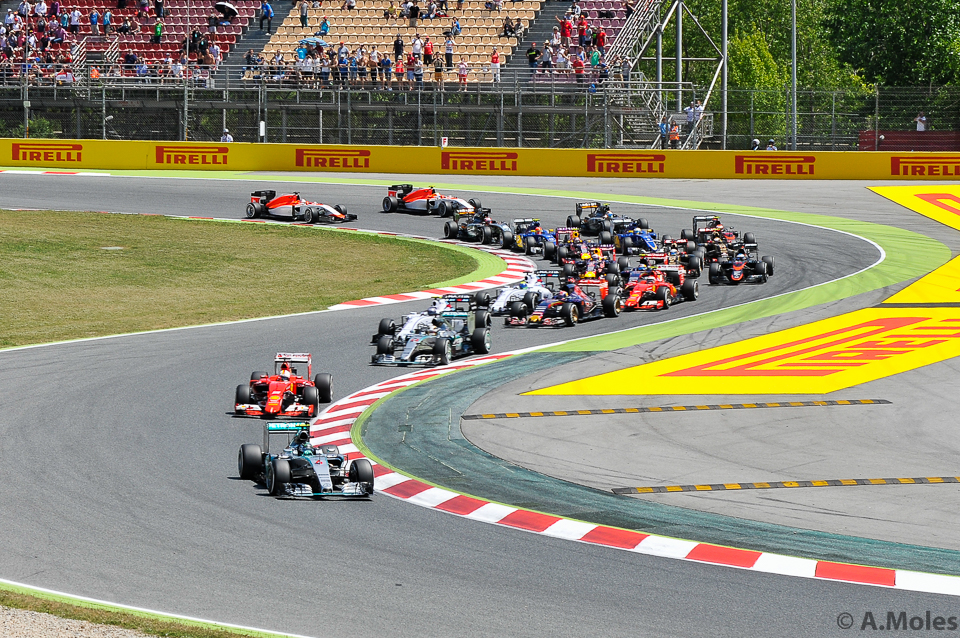 The physical demand of 305 kilometers tests driver endurance, tire degradation, and strategic pit flexibility.
| Format & Metric | Traditional Era (Pre-2027) | Proposed 2027 Rule | Direct Sporting Impact |
|---|---|---|---|
| Minimum Distance | 305.000 kilometers | 290.000 kilometers | Reduces race length by 3 to 4 laps |
| Full Power Window | Thermal energy drop off | Continuous 350kW deployment | Eliminates late-race lifting and coasting |
| Pit Stop Strategy | 2-stop and 1-stop flexibility | Higher 1-stop probability | Pirelli must design softer compounds |
| TV Airtime Window | 85 to 105 minutes | 72 to 85 minutes | Tighter fit for digital streaming schedules |
2. The Purist Rebellion: Diluting the Attrition Crucible
Motorsport historians and grand prix purists argue that Formula 1 was never designed to be comfortable or bite-sized. The essence of Grand Prix racing lies in its endurance challenge. Championships are decided when engines blow three laps from the finish, or when a driver’s dehydrated neck muscles give way under six Gs into the Parabolica.
Veteran figures like Fernando Alonso have voiced skepticism. Alonso pointed out in driver briefings that shrinking race distance makes tire management trivial, eliminating the strategic dilemma between nursing rubber and sprinting on fresh compounds.
As reported by analysis pieces on The-Race.com, truncating distance turns every race into an extended sprint, rewarding qualifying pace over mechanical empathy and long-stint racecraft.
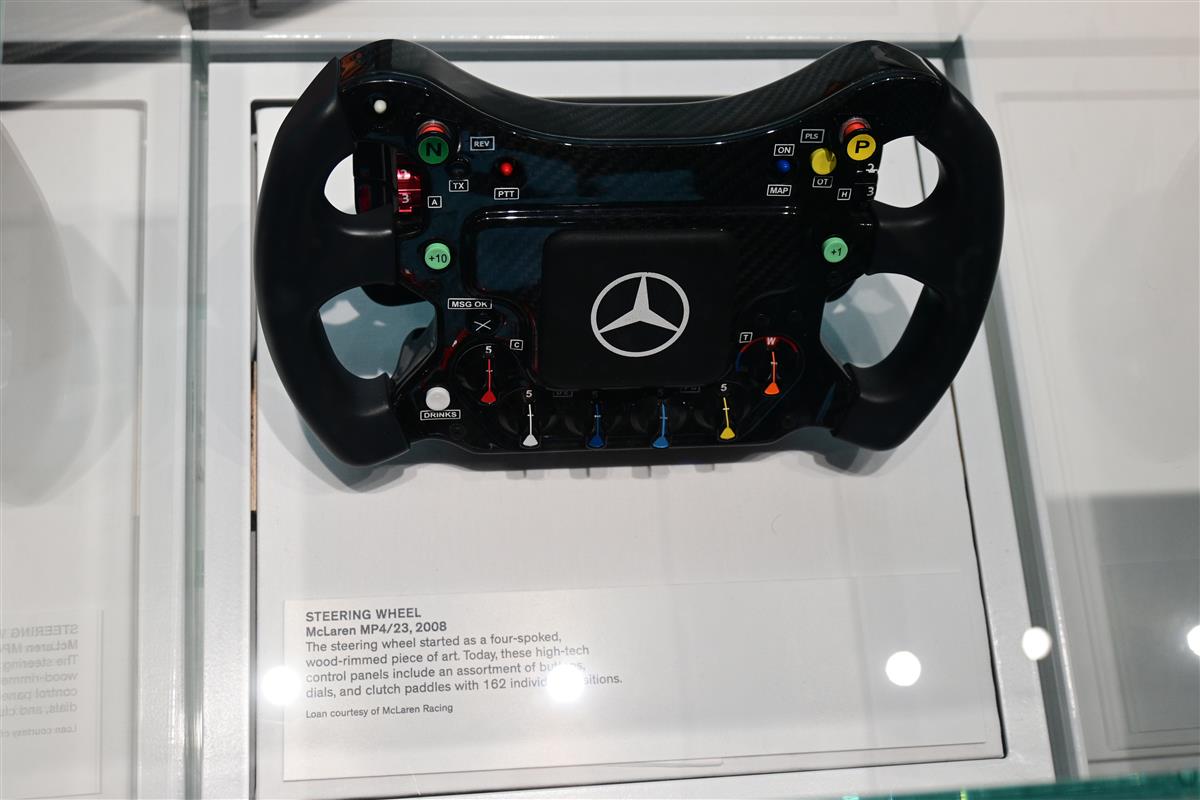 Drivers constantly balance battery recovery deltas, differential settings, and brake migration on steering displays.
The Commercial Viewpoint
Modern audiences demand relentless wheel-to-wheel action without mid-race lulls. Trimming fifteen kilometers keeps cars at peak electrical power output, boosting average speed and preventing processional conservation phases.
The Heritage Defense
Grand Prix racing is distinguished from feeder series precisely by its punishing length. Shaving distance dilutes the legendary prestige of Formula 1, reducing the greatest motorsport championship to the level of junior formula sprints.
3. Analysis: The 2026/2027 Engine & Distance Overhaul
Review the comprehensive technical video below detailing how the removal of the MGU-H and increased battery reliance forced the FIA to rethink Grand Prix distances:
Formula 1 must resist the temptation to redesign its core sporting DNA for TikTok attention spans. When victory is made easier, victory becomes less valuable. The 305-kilometer distance is a rite of passage that should remain sacred.
4. The Upcoming Vote in the World Motor Sport Council
The final decision on the fifteen-kilometer reduction will rest with the World Motor Sport Council following consultative meetings with the F1 Commission. Commercial rights holder Liberty Media supports shorter formats, pointing to the surging popularity of Saturday Sprint races.
However, team principals remain cautious. Several independent constructors worry that shorter race distances will narrow the strategic window for undercut pit stops, cementing starting grid order into final race results.
Whether the FIA pushes the reform through or bows to traditionalist pressure, Formula 1 stands at a crossroads. Innovation must propel technical progress without erasing the supreme athletic hardship that made heroes out of ordinary men.
5. FAQs
Why is the Monaco Grand Prix exempt from the 305km rule?
Monaco features a tight 3.337km layout with low average speeds. Running 305km would exceed the maximum two-hour race time limit, so the distance is capped at 260.286km (78 laps).
How does race distance affect driver physical exertion?
Drivers lose between two and four kilograms of fluid weight over a 305km Grand Prix. Sustained lateral G-forces of up to 5G place extraordinary cardiovascular load on the human body over ninety minutes.
Will fuel capacity decrease if race distance is reduced?
Yes, the FIA anticipates lowering starting fuel allocations from one hundred kilograms down to eighty-five kilograms of sustainable synthetic fuel, reducing car mass and speeding up lap times.
Authentic motorsport graphic streetwear tailored for modern lifestyle wardrobes.